




The annual Cornea & Contact Lens Society (CCLS) two-day conference kicks off at Trinity Wharf in Tauranga with a welcome function on Thursday 12 February.
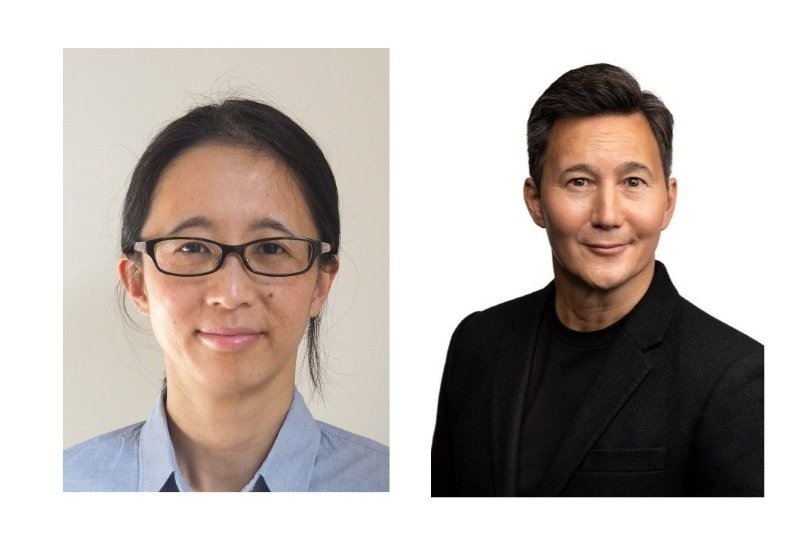
Joining local talents in this year’s speaker lineup are international keynotes Dr Elsie Chan and Randy Kojima. CCLS president Dr Akilesh Gokul said he was thrilled to welcome the pair to the conference. “Their expertise and leadership promise to spark meaningful discussion and elevate the entire programme.”
CCLS received a record number of abstract submissions this year, reflecting the growing energy and innovation within the community, he said. “I’m truly excited for our 2026 conference, which is shaping up to be one of our most inspiring events yet.”
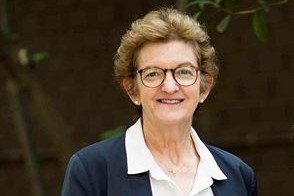
Dr Elsie Chan, ophthalmology keynote
Dr Chan is a cornea and cataract surgery specialist who consults in private practice and at the Royal Victorian Eye & Ear Hospital (RVEEH) in Melbourne. She is an honorary fellow with the University of Melbourne’s Centre for Eye Research, where she is the principal investigator for studies on Fuchs’ endothelial dystrophy, keratoconus and ocular trauma. She has authored more than 55 publications in the field of corneal disease and cataract surgery.
After many years in the profession, Dr Chan said she still loves her work and everything it offers. “Ophthalmology allows me to be a clinician, surgeon, teacher, researcher and administrator all at once. Working primarily in the public sector means I have the privilege of fulfilling all these roles almost every day.”
Speaking of research priorities in this field, Dr Chan said treatment to regenerate the layers of the cornea is imperative as it would help overcome the severe shortage of donor cornea tissue in many countries. Also on the research horizon is artificial intelligence, which she said will have a significant impact on the community as it will allow early identification of diseases to facilitate early treatment.
“I’m really looking forward to attending CCLS and the chance to listen to all the speakers and especially Randy Kojima,” Dr Chan said. A keen traveller, she said she’s also excited to visit Tauranga again. “I was there for a short visit in February 2020, which turned out to be my last overseas trip for the next couple of years.” When not heading off somewhere exciting that involves catching a flight from Melbourne, Dr Chan said she enjoys cycling and chilling at home. “Those who know me know I generally spend a lot of time doing ophthalmology-related activities because I truly love it.”
Randy Kojima, optometry keynote
Back by popular demand is specialty contact lens (CL) researcher, well-published author, textbook contributor and renowned educator Randy Kojima. The research and development director for the KATT Design Group, he serves as an adjunct assistant clinical professor at the Pacific University College of Optometry in Vancouver, Canada, and he’s also a clinical advisor to Medmont International in Australia.
The appeal of working with specialty CLs is they can make such a difference in the lives of such a wide range of patients, Kojima said. “In myopia control, they protect the eyes from the potential damage and vision loss of the elongated eye. In the diseased, post-surgical and irregular eye shape these lenses can completely change lives and restore sight. And, similarly, they make it possible for an ocular surface disease patient to function without discomfort or ocular pain.”
Kojima said he believes all eyecare practitioners can become specialty CL providers. “It doesn’t have to be intimidating. If the practice is primarily young patients, then focusing on myopia-control lenses will offer a needed area of care for adolescent eyes. If your practice has a high percentage of dry eyes, then focusing on lenses that might help [those patients] could be very beneficial to patient and practice alike.” Building a specialty contact lens practice does not mean you need to be an expert with every lens, he explained. “It’s possible to start with one modality and learn all that’s possible through conferences, online training and mentorship. With the help of colleagues and lens consultants at the lab, each patient is an opportunity to build experience and expertise.”
Reflecting on optometry practice here compared with in North America, Kojima said he has always been impressed by how much CL research has come from his Kiwi and Aussie cousins. “In North America, the optometrist is increasingly called to be involved in disease detection and management and there is less academic focus in the schools on contact lenses because the curriculum requires a robust disease management emphasis. In my experience, visiting both New Zealand and Australia, the focus is and has always been on contact lens expertise. Practitioners here can lead in contact lenses because [they can successfully address] simple and complex visual disorders,” he said.
When not busy with work, Kojima loves being a dad and reckons his Uber-dad gig is coming close to a full-time after-school job. He also confesses to being a bit of a history nerd and loves travelling with his kids, exploring new places and learning more about the history of each place.
Dr Gokul pointed out CCLS is the only conference in New Zealand where optometrists and ophthalmologists come together to connect and collaborate specifically on anterior segment pathology and CLs. “It makes this event uniquely valuable. But it isn’t just about learning – it’s also a chance to meet up with old friends and colleagues and make new ones, capped off with a fun Hawaiian-themed dinner that will bring a vibrant, memorable celebration to an incredible gathering,” he said.
For more about the conference, the annual photo competition and to register, see https://www.contactlens.org.nz/ccls-events