







US researchers have launched a national clinical trial to test whether low-dose atropine eye drops can prevent the development of myopia in children.
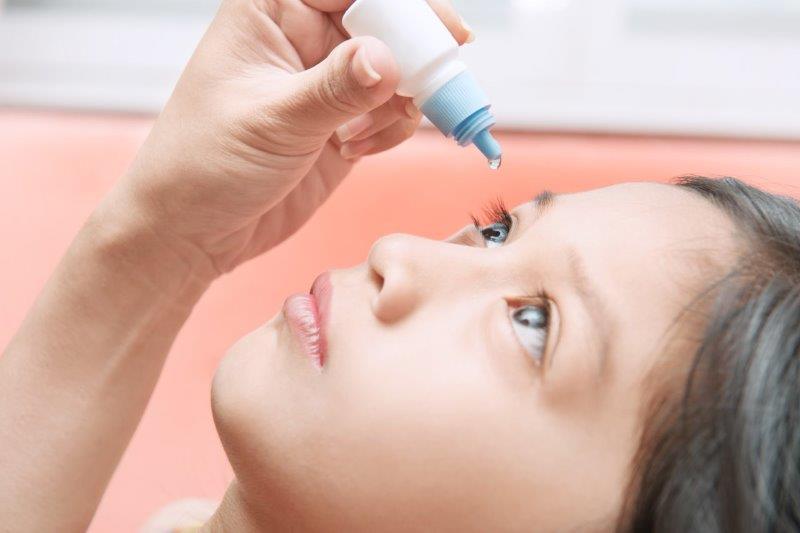
The University of Houston and The Ohio State University will conduct The Delaying the Onset of Nearsightedness Until Treatment (DONUT) study, enrolling more than 600 pre-myopic children aged 6–11 years. Participants will be randomised to receive nightly 0.01%, 0.03% or 0.05% atropine, or placebo for 30 days, with outcomes tracked over several years. The primary endpoint is time to myopia onset, defined by refractive error as spherical equivalent.
Investigators hypothesise treatment will halve the onset rate from about 20% in the placebo group to 10% among those receiving atropine and to slow pre-myopic eye growth by more than 30%.
“This is the first large-scale, randomised, placebo-controlled trial designed to test atropine as a preventative measure,” said the University of Houston team. Participants who develop myopia during the study will switch to active treatment to assess subsequent progression, they said.
The study is supported by two grants from the National Institutes of Health’s National Eye Institute, totalling US$25 million (NZ$43m).