





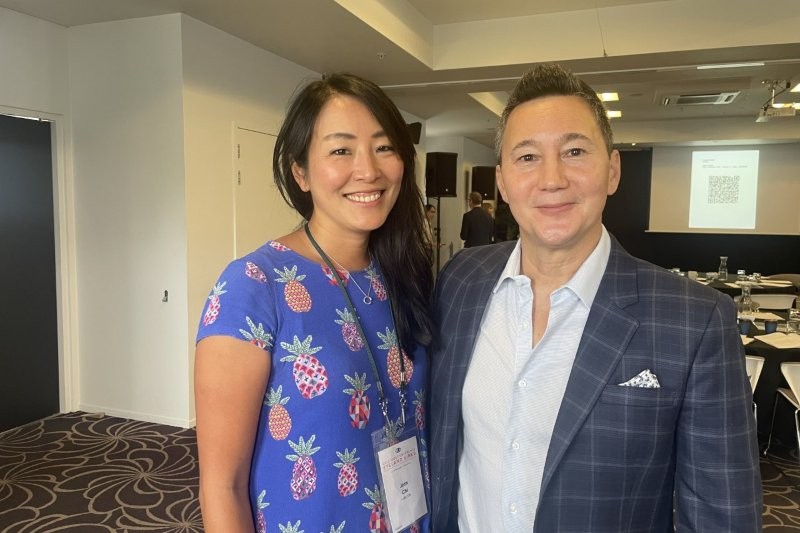
Tauranga delivered its usual charm for CCLS 2026, held at Trinity Wharf. The theme, ‘Eyeland Vibes: The Summer of Anterior Segment and Contact Lenses’, set the tone for a weekend of learning, discussion catching up and a spectacular luau with colleagues from across New Zealand.
This year’s programme had a refreshing focus: better decisions, better outcomes and smarter use of the tools we already have. Encompassing speciality contact lenses and myopia control, to dry eye, keratoconus and anterior segment disease, it was a well-rounded and highly relevant conference.
Two incredible keynote speakers anchored the programme and helped shape the conference.
Dr Elise Chan brought a surgical and clinical perspective that was both detailed and practical. Her talks covered cornea transplants, monitoring glaucoma in graft patients, infectious keratitis and ocular manifestations of rosacea. She reminded us that optometrists are not just passive observers after surgery: they bridge the gap between surgical intervention and functional vision. Through careful monitoring, targeted lens selection and evidence-based management, optometrists can influence long-term outcomes and prevent complications. I found her case-report session incredibly valuable, demonstrating cases ranging from benign versus malignant lesions to complex post-treatment follow-ups that showed the subtlety required in corneal diagnostics and the power of deliberate clinical reasoning.
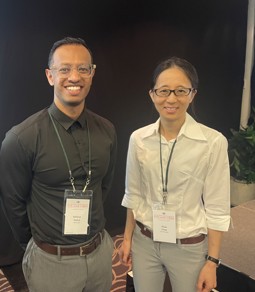
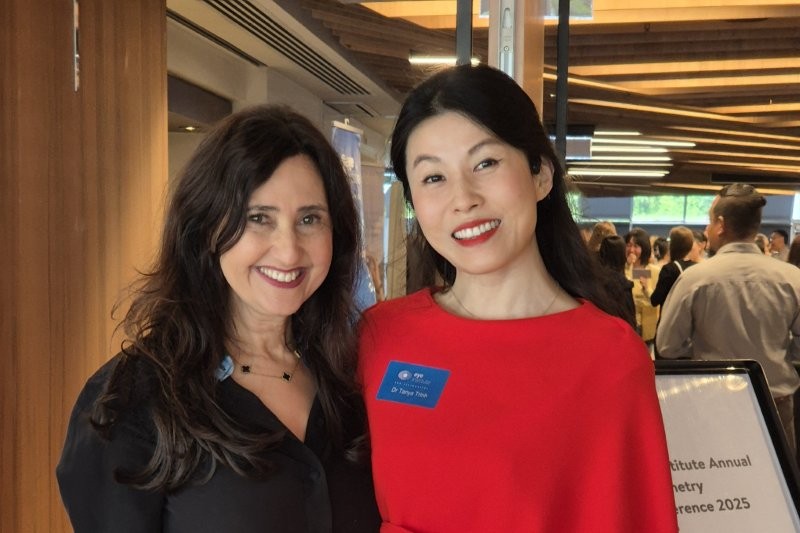
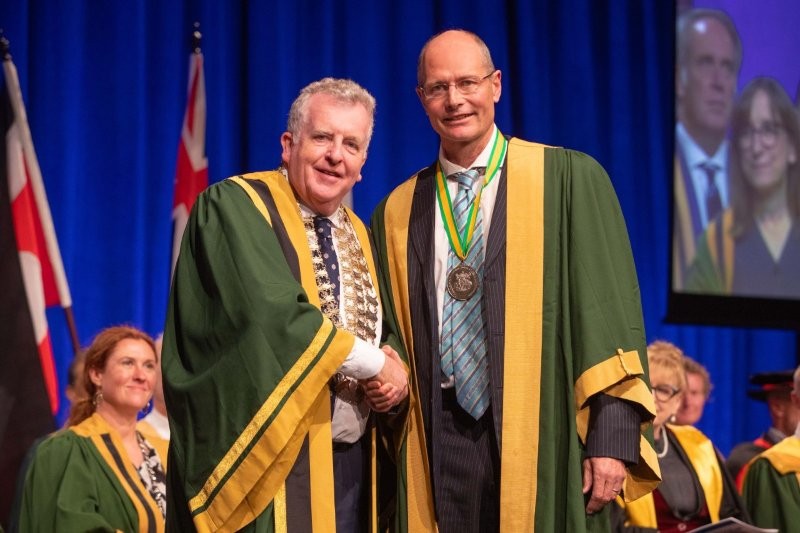
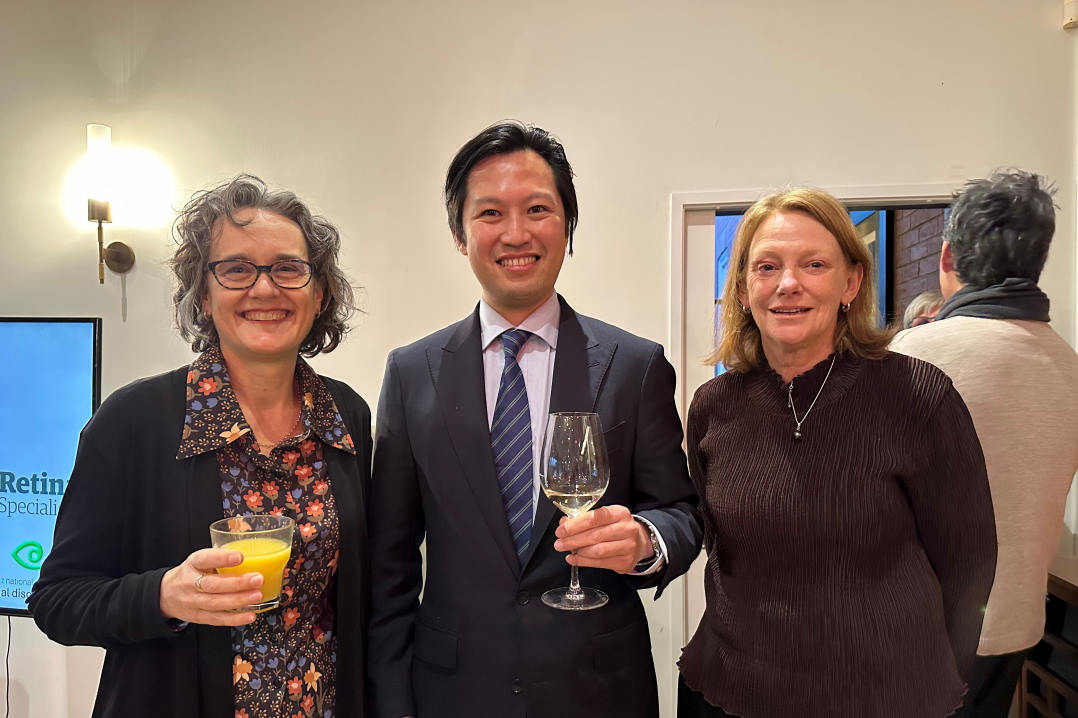
Dr Akilesh Gokul with keynote Dr Elsie Chan
Randy Kojima took a different, yet complementary, approach focusing on the science of contact lens (CL) fitting, comfort and predictive myopia control. He discussed lens movement, peripheral corneal shape, limbal and scleral asymmetry and sagittal depth. His practical mantra was clear: comfort is tied to movement, and optimal lens-to-surface relationships are measurable. What really stood out were his sessions on myopia control. Using myopia defocus dosage, he showed how optical zones, orthokeratology design and lens construction directly influence outcomes. It’s exciting to see concepts that were once theoretical translated into actionable clinic strategies and it was impossible not to feel that CL fitting is entering a new, structured, evidence-informed and predictable era. CL fitting, once heavily empirical, is increasingly grounded in objective metrics, improving patient satisfaction and efficiency for optometrists.
DED systems, delivery and novel therapies
At the event, one thing was clear about managing dry eye disease (DED): it’s not just prescribing drops, it’s about appreciating the whole tear-film system. Dr Jennifer Craig's overview of TFOS DEWS III really set the scene, reminding us that tear-film instability, hyperosmolarity and ocular surface changes are at the heart of most cases. Using tools such as the OSDI-6 to gauge symptoms and also identifying whether the problem is evaporative, aqueous-deficient, or mixed is key to choosing the right treatment plan.
New technologies are helping us make better decisions. Infrared meibography, for example, allows us to see meibomian gland structure and track changes over time. Analysis of the tear film, lipid layer thickness and tear meniscus height of CL wearers and patients with DED can help us optimise the ocular surface and improve clinical results. An exciting realm of optometry is the ever-evolving tools to manage evaporative DED and meibomian gland dysfunction. Tixel i, a non-invasive thermal-mechanical action (TMA) device, has been shown to improve tear breakup time, meibum quality and patient comfort in MGD-related dry eye, with minimal downtime and very few side effects. Chalazia management also benefits from a layered approach, combining pharmacology, surgery and light-based therapies such as LLLT and IPL.
The discussion of a study on eyedrop bottle designs was intriguing. It showed a range of eyedrop bottle designs and how they impact usability, particularly in older patients with arthritis. Devices such as COMOD (continuous mono dose) make it easier to consistently deliver the right dose. Managing dry eyes today is about looking at the whole picture: identifying the root cause, keeping the ocular surface healthy, using tech or other devices where they help and making sure any treatment actually works for the patient.
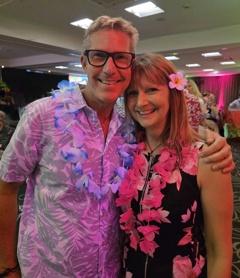
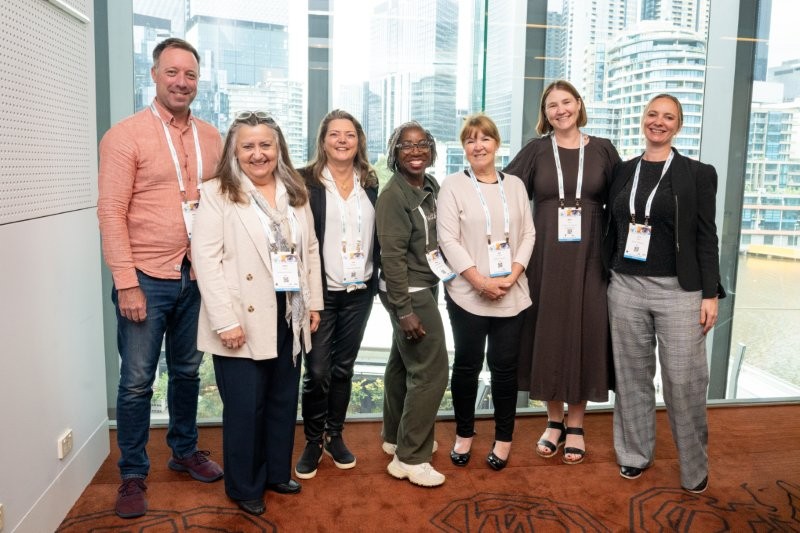
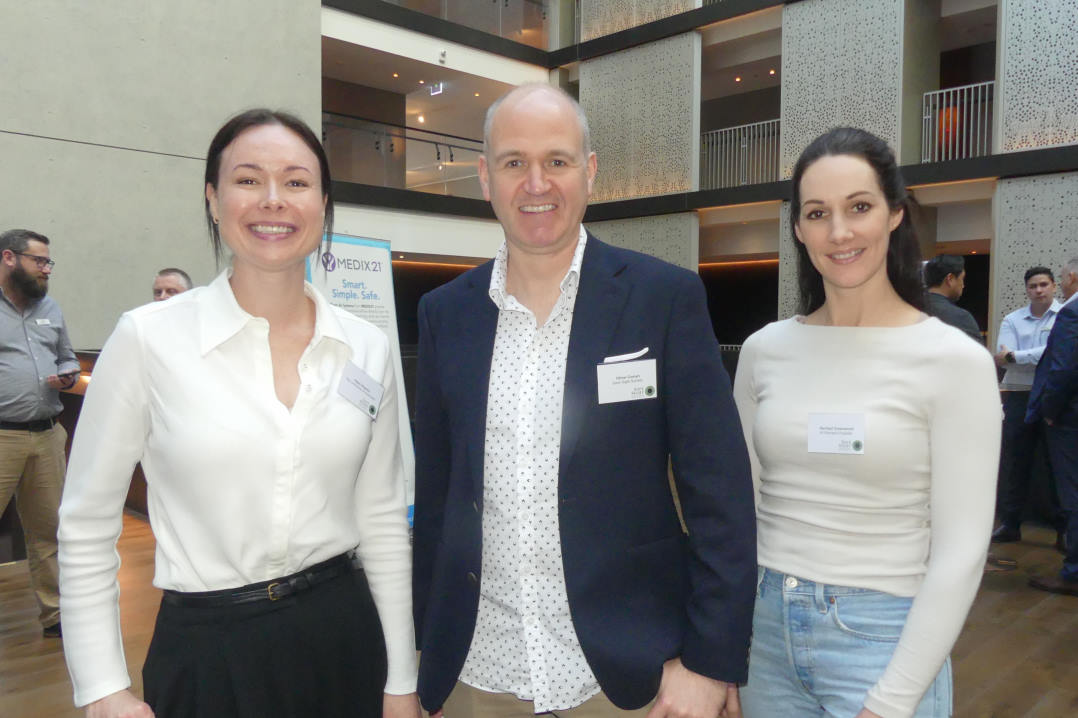
Dr Simon Dean and Professor Jennifer Craig
Keratoconus, scleral lenses and patient-centred care
Keratoconus remains a significant challenge in New Zealand, often linked with allergies such as hay fever, eczema, and asthma. Sessions highlighted that while optical and surgical management options are well established, non-optical advice covering ocular hygiene, lifestyle habits and systemic health is inconsistently applied. Robert Ng’s survey of New Zealand optometrists showed that almost all of us provide guidance on hay fever, but fewer address eczema, general health, or asthma.
Scleral lenses featured heavily, particularly for complex cases such as advanced keratoconus, herpes zoster ophthalmicus or herpes simplex keratitis-related corneal disease. Evidence presented demonstrated that, with careful co-management, scleral lenses can restore functional vision, even in compromised eyes. Fitting remains highly specific and is based on corneal shape, scarring and visual demands, all of which influence lens design and wear schedule.
Equity and patient voice were also key themes. Research showed Māori and Pasifika patients often present with advanced keratoconus due to delayed access, limited health literacy and fear of treatment. Dr Colin Parsloe presented a wonderful talk on patient-led, community-based education grounded in storytelling, whānau inclusion and free sibling screening as an effective way to improve awareness, engagement and early detection.
Overall, managing keratoconus today goes beyond optics and surgery. It’s about understanding comorbidities, tailoring management to each patient and addressing cultural and educational barriers, ensuring treatment is both clinically effective and genuinely accessible.
AI in eyecare
A particularly timely session addressed artificial intelligence (AI) in healthcare and optometry. The talk was framed around clinical and ethical decision-making. This session reminded me that even as technology advances, the clinician’s judgment remains central. AI can augment decisions, provide predictive modelling, or highlight potential diagnoses, but it cannot replace accountability or critical thinking. For those of us integrating new technology into practice, understanding both ethical and legal frameworks is non-negotiable.
Hawaiian night
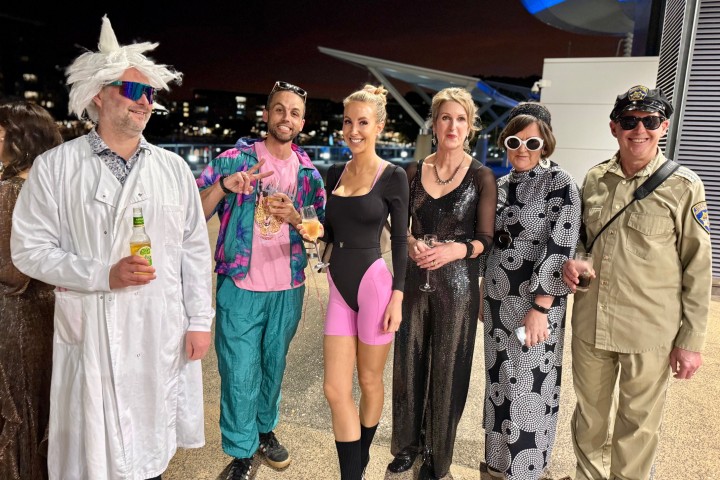
The lighter side of the conference arrived with a Hawaiian luau on the Friday night in an auditorium cheerfully decked out with plastic palm trees, paper pineapples, quirky spectacles and leis in every colour. After a day of focused discussion and learning, the chance to relax over good food, a drink or two and some dress-ups was warmly embraced.
The 1980s Magnum PI-inspired theme proved a hit, with delegates turning up in classic Hawaiian shirts, flowing island dresses, terry-towelling beachwear and one particularly eye-catching interpretation of traditional male dance attire. CCLS attendees clearly rose to the occasion.
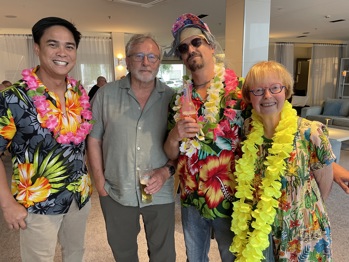
Chris Malicdem, Murray Rogers, Chris Way and Heather Laird
Following a lively floor show complete with dancers and neon lights, a Hawaiian dance troupe had everyone on their feet learning a few flowing moves, complete with swaying hips and expressive hands inspired by the ocean, wind and islands. The evening ended in suitably high spirits, capped off by a couple of excellent cartwheels from two enthusiastic delegates.
Conclusion
CCLS 2026 delivered no shortage of moments that challenged assumptions and sharpened thinking. From castor oil demonstrating measurable improvements in lipid-layer thickness, to predictive modelling of myopia defocus dosage and emerging applications of UVC light in microbial keratitis and other corneal disease, the message was consistent: small, well-understood interventions can have meaningful clinical impact. Add to that a clearer understanding of how manufacturing realities affect lens performance and patient-driven keratoconus education initiatives and it was hard not to leave feeling inspired.
It was a conference filled with practical insights that translate directly into better decision-making. Outside the lecture hall, collegial conversation, case discussions and hands-on learning at the expo booths were a real highlight.
I thought there was a strong sense of balance throughout the programme. Innovation was welcomed, new tools were discussed alongside their limitations and technology was consistently positioned as a support to clinical judgement. Set against a backdrop of open discussion and shared experience, CCLS 2026 felt thoughtful, grounded and a solid reflection of where the optometry profession is now and where it’s heading next.

Aidan Quinlan is a New Zealand–born and trained therapeutic optometrist at Bay Eye Care in Tauranga. He has a strong clinical interest in myopia control, speciality contact lens fitting and the management of dry eye disease.