





A long-standing partnership with the South Auckland Pasifika Parkinson’s Support Group is helping University of Auckland neuroscientists probe tear fluid for biomarkers that could signal Parkinson’s disease years before clinical motor symptoms appear.
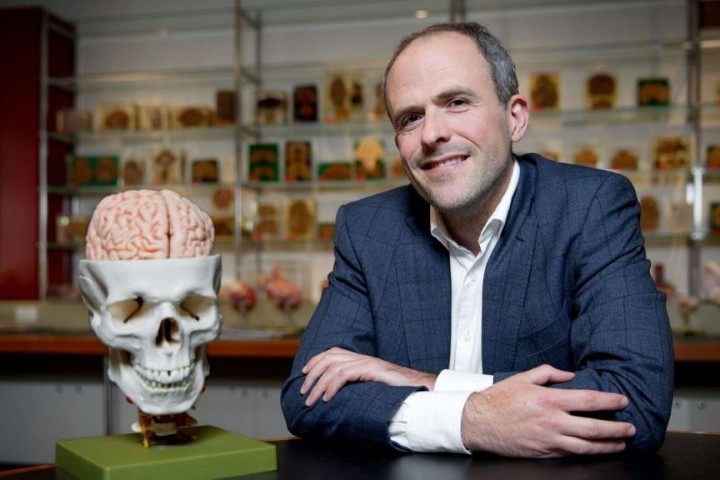
Led by senior research fellow Dr Victor Dieriks, the team is working closely with Samoan and Tongan families who carry a rare PINK1 gene mutation that greatly increases the risk of early-onset Parkinson’s. The collaboration, spearheaded by Dr Christina Buchanan, has created what Dr Dieriks described as a “unique and deeply engaged cohort, one that allows us to study the earliest molecular changes associated with the disease”.
By comparing their tears with those from people with idiopathic Parkinson’s, the researchers can map how specific alpha-synuclein strains relate to age of onset, symptom patterns and disease progression. “If we can understand which protein strains drive different forms of Parkinson’s, we can also intervene long before symptoms appear,” he said.
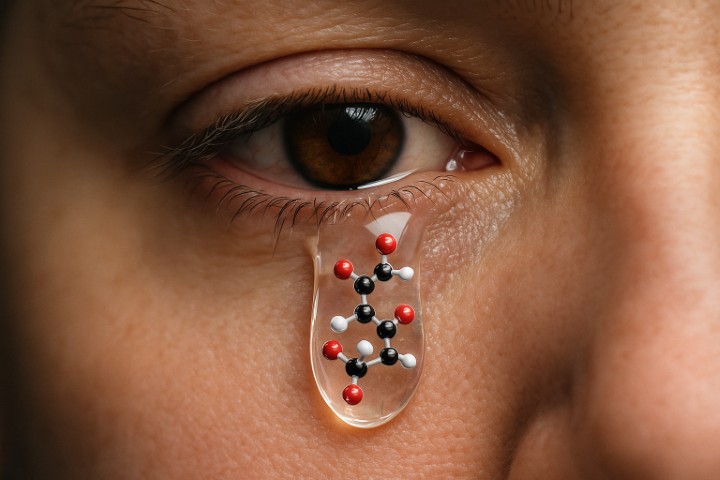
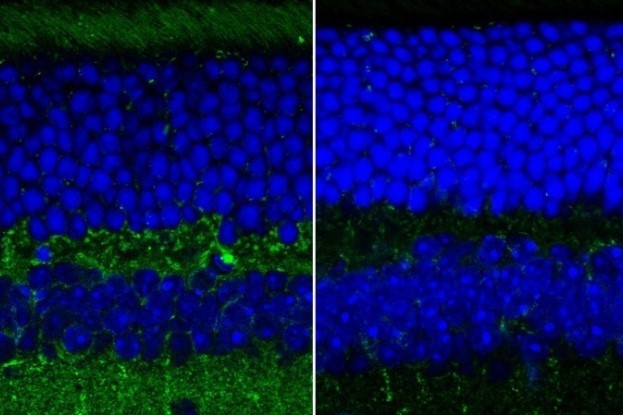
Parkinson’s arises from progressive loss of dopaminergic neurons and the accumulation of misfolded alpha-synuclein aggregates in the brain. By analysing the tear proteome, including oligomeric alpha-synuclein levels, the team aims to identify a diagnostic signature that could prompt further evaluation before irreversible neurodegeneration occurs.
“More than 12,000 people in Aotearoa live with Parkinson’s and thousands more are affected indirectly through their whānau. Yet despite the scale of its impact, diagnosis still depends almost entirely on symptoms that appear only after significant damage has occurred,” said Dr Dieriks.
By the time a diagnosis is made, an estimated 60 to 70% of dopamine-producing neurons in the substantia nigra have already been lost. “There is no blood test or brain scan that can confirm the condition reliably in its earliest stages… [but tears] are easy to collect in homes, marae or churches.”