






UK scientists have discovered that the protein LRG1, found in the bloodstream and tissues, triggers the earliest damage in diabetic retinopathy, paving the way for new treatment pathways.
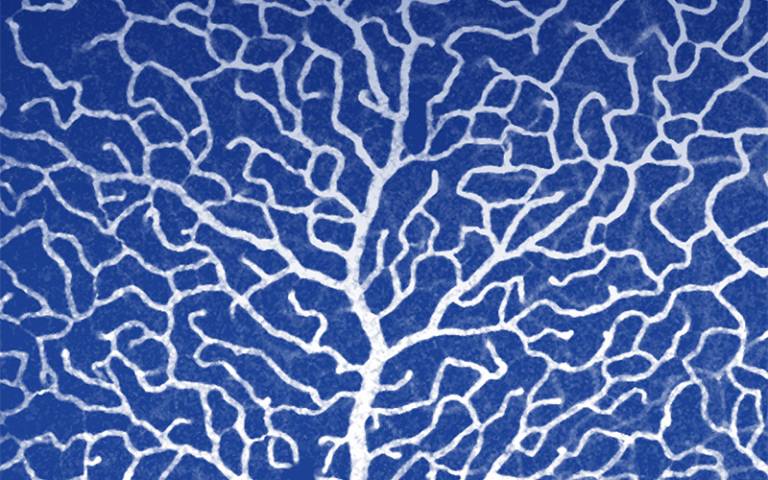
Published by Science Translational Medicine, the study uncovered how LRG1 causes the cells that wrap around the eye’s smallest blood vessels to constrict excessively and ‘squeeze’ them, reducing oxygen supply to the retina and laying the groundwork for long-term visual impairment. Importantly, when researchers blocked LRG1 activity in mouse models of diabetes, they were able to prevent this early damage and preserve healthy eye function.
Lead author Dr Giulia De Rossi, senior research fellow at University College of London (UCL) Institute of Ophthalmology said: “Our discovery shows that diabetic eye disease starts earlier than we thought, and LRG1 is a key culprit in this early damage. Targeting this protein could give us a way to protect vision before serious damage occurs and prevent, rather than treat, blindness in millions of people living with diabetes.”
The UCL-based researchers have already developed and tested an LRG1-targeting drug, which is currently undergoing further pre-clinical studies and could be ready for clinical trials in humans in the near future, they said. The team believes this therapy will not only halt the onset of diabetic retinopathy but can also be effective in later stage disease where LRG1 continues to play a role.