






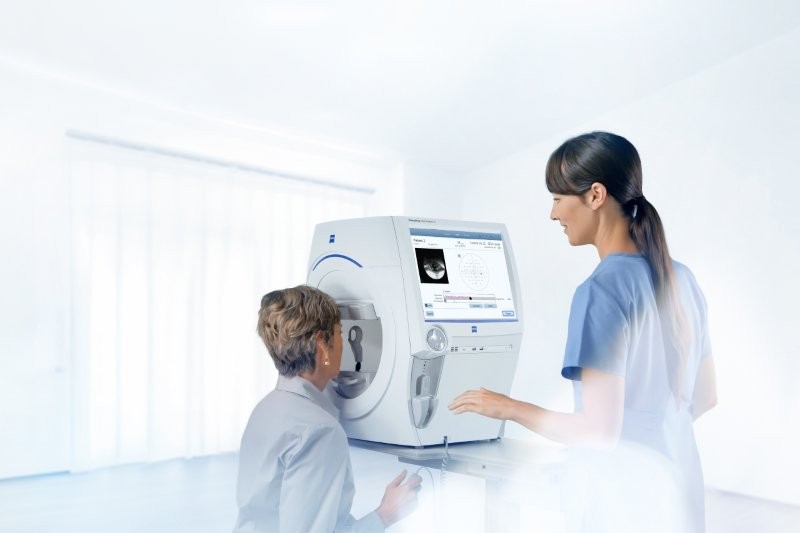
As cutting-edge ZEISS diagnostic technology becomes increasingly prevalent in the ophthalmic industry, it has elevated patient care within a busy Auckland optometry practice. Frith Jenkins from Howick Village Optometrists (HVO), welcomed me in to observe the advantages and improvements these technological advancements have brought to their practice.
HVO use the ZEISS Humphrey Field Analyser and more recently have embraced the next-generation CIRRUS 6000 OCT and CLARUS 500 ultra-widefield fundus imaging systems. They also use the ZEISS FORUM data management solution, enabling a fully integrated workflow.
Embracing technology
When I asked Frith what motivated the practice to invest in ZEISS ophthalmic diagnostic solutions, she light-heartedly remarked, “largely a persuasive sales pitch”. But she went on to say, “Previously, our equipment was split across two rooms, requiring staff to stay with patients during tests which caused scheduling delays.” As they were already familiar with ZEISS products, choosing a unified ZEISS system felt more efficient and convenient.
Implementation and training
Integrating the new ZEISS equipment into the practice went smoothly for the HVO team and they were enthusiastic about the upgrade said Frith. They collaborated closely with the installers to ensure the setup was completed efficiently and, although there was some initial anxiety – common when adopting new technology – the staff adapted well. The practice is relatively large and newly acquired skills were quickly shared among colleagues to ensure everyone kept pace with developments.
Training was delivered by the product supplier, who provided clear instruction, making the learning process straightforward, said Frith. “Additional training and phone support were available whenever needed.” Frith was also really happy with how ZEISS responded quickly to any issues, understanding the importance of maintaining smooth operational flow. Overall, the implementation encountered no major hurdles and any minor challenges were resolved promptly by the ZEISS team, she said.
Clinical and business impact
The introduction of the new ZEISS equipment has had a significant positive impact clinically at HVO and on business operations. Clinically, optometrists feel more confident in their diagnoses, supported by high-quality scans and images that allow for more accurate assessments. Referral attachments now provide specialists with a clear, detailed insight into patients’ conditions, improving continuity of care. While the ability to compare images from multiple patient visits enables better tracking of disease progression and facilitates early detection of eye conditions, said Frith.
This technology not only streamlines workflow but also provides tangible financial advantages, including increased appointments and potential revenue growth through new referrals and services. Overall, it has improved both the clinical quality and operational efficiency of the practice, she added.
Patient experience
From the patient perspective, the investment in advanced equipment reassures them that their eye health is taken seriously, enhancing trust and satisfaction. The new equipment has improved the patient journey at HVO by allowing consultations and discussions to happen immediately in the exam room. Patients show greater confidence and satisfaction, recognise the high-quality technology and appreciate receiving explanations and clinical feedback on the spot. While fewer patients comment on the equipment now that it’s been in place for some time, many benefit from being able to review images and scans directly with the optometrist helping them to understand their eye condition, said Frith.
During my visit to the practice, I encountered a patient willing to share her experience at HVO. Maryanne happily remarked: “I’m very pleased with the personal attention the staff consistently provide. They take the time to get to know me and work hard to find the best solutions for my needs. The eye exam is really thorough and professional. The new equipment even picked up an eye condition, which the optometrist was able to show and explain to me before quickly referring me to a specialist. I truly appreciate the excellent service, professionalism, and personalised care I receive at HVO.”
Looking ahead
The HVO team is confident this technology has significantly improved their own workflow, particularly in terms of time management and overall professionalism. The team would recommend the technology to other practices, especially where it can support stronger client–patient relationships and enhanced communication.
Looking to the future, HVO said they have a strong team in place using high-quality equipment and their primary focus now is to continue investing in staff education to uphold the high standards of patient experience they prioritise.
Louise Wood is a therapeutically qualified optometrist and a freelance healthcare writer based in Auckland.
Zeiss ophthalmic technology highlights
The Humphrey Field Analyser (HFA) 3 offers ZEISS Guided Progression Analysis (GPA) and SITA Faster 24-2/24-2C which revolutionise glaucoma care by enabling fast, precise and reliable monitoring of visual field changes. GPA tracks progression over time, highlights clinically significant changes and provides clear visual insights to guide treatment decisions. Optometrists can detect early glaucomatous changes and monitor progression efficiently, improving workflow, clinical confidence, and patient outcomes.
CIRRUS 6000 is a next-generation OCT system delivering 100,000 scans per second with high-definition imaging and a wide 12mm field of view. Advanced analytics, multi-layer segmentation, and an expanded reference database improve disease tracking and patient management.
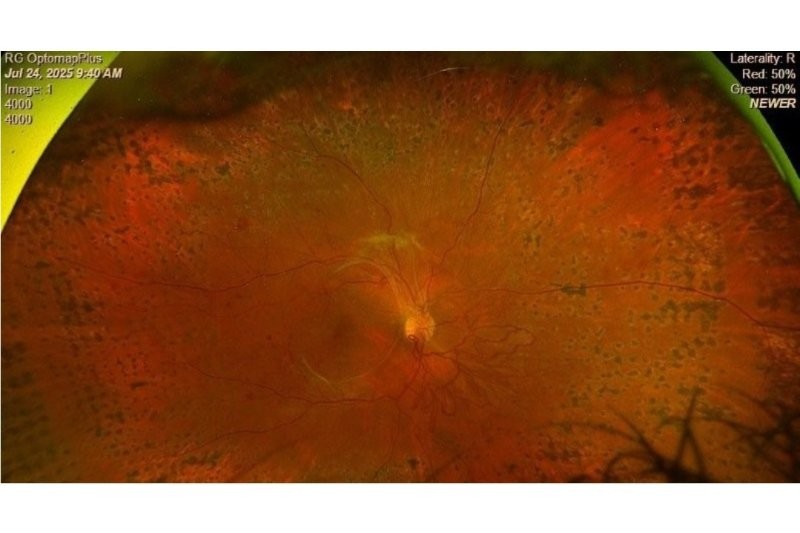
CLARUS 500 is an ultra-widefield fundus imaging system that captures the entire retina in high-resolution true colour. Its imaging covers from the macula to the far periphery, allowing early detection of subtle retinal disease.
FORUM is a versatile ophthalmic data management platform that simplifies practice workflows by connecting diagnostic devices and providing instant access to all patient examination data. With FORUM, your practice can adopt a fully electronic workflow, automatically transferring patient demographics to instruments and eliminating the need for time consuming paper-based processes.
ZEISS Glaucoma Workplace is an integrated clinical tool that allows the clinician to easily review and compare glaucoma progression data from CIRRUS OCT and HFA side by side, streamlining analysis and improving patient management.