






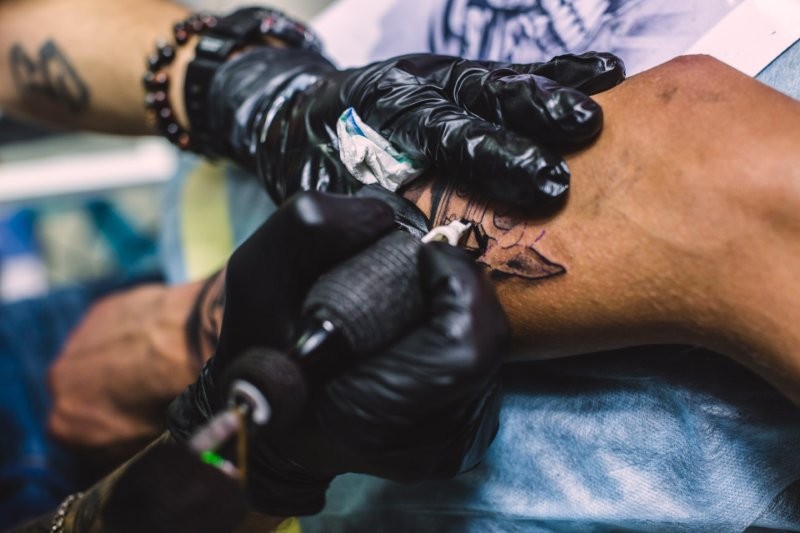
Previously considered rare, tattoo-associated uveitis is becoming a regular occurrence in Australian uveitis clinics, where a quarter of the population has tattoos.
A multicentre retrospective case review published in Clinical & Experimental Ophthalmology found more than half (52.5%) of 40 tattoo-associated uveitis patients during the period 2023–2025 were young adults, of whom 70% were of Caucasian or European ethnicity, with a predominance of bilateral (95%) and anterior (70%) uveitis.
Inflammation within tattoos occurred in all patients, which authors linked most often to black ink. Most patients (about two-thirds) required systemic treatment and 62.5% of these required steroid-sparing immunosuppression, most commonly methotrexate. Nearly half the patients (42.5%) also needed biological treatments, such as disease-modifying antirheumatic drugs. Just a quarter were managed with topical treatment alone and very few achieved long-term remission without treatment. Complications such as cataracts, macular swelling and glaucoma were common. Only three patients experienced no vision loss during treatment.